Immigration lawyer: Newsweek’s 2026 Shift No One Sees
Immigration lawyer insight on Newsweek’s 2026 immigration shakeups—travel bans, visas, green cards. Learn smart next steps and request help today.
Vasquez Law Firm
Published on December 22, 2025

Immigration lawyer: Newsweek’s 2026 Shift No One Sees
An immigration lawyer can spot trouble before it hits your family. A recent Newsweek report about how U.S. immigration policy could change in 2026 has many North Carolina residents asking the same question: “If the rules change fast, will my case survive?” The answer often depends on what you file, what you prove, and what you do right now.
Quick Summary (Read This First)
What happened: Newsweek highlighted scenarios where U.S. immigration could shift in 2026—potentially affecting travel bans, visa vetting, and green card processing.
Why it matters to you: Policy swings can change timelines, evidence standards, and travel risks for North Carolina families with pending USCIS or consular cases.
What to do now: Confirm your exact case posture (pending vs. not filed), avoid risky international travel, and organize documents so you can file or respond quickly if rules tighten.
What This News Means for North Carolina Residents
1) What Newsweek is signaling (and what it does NOT confirm)
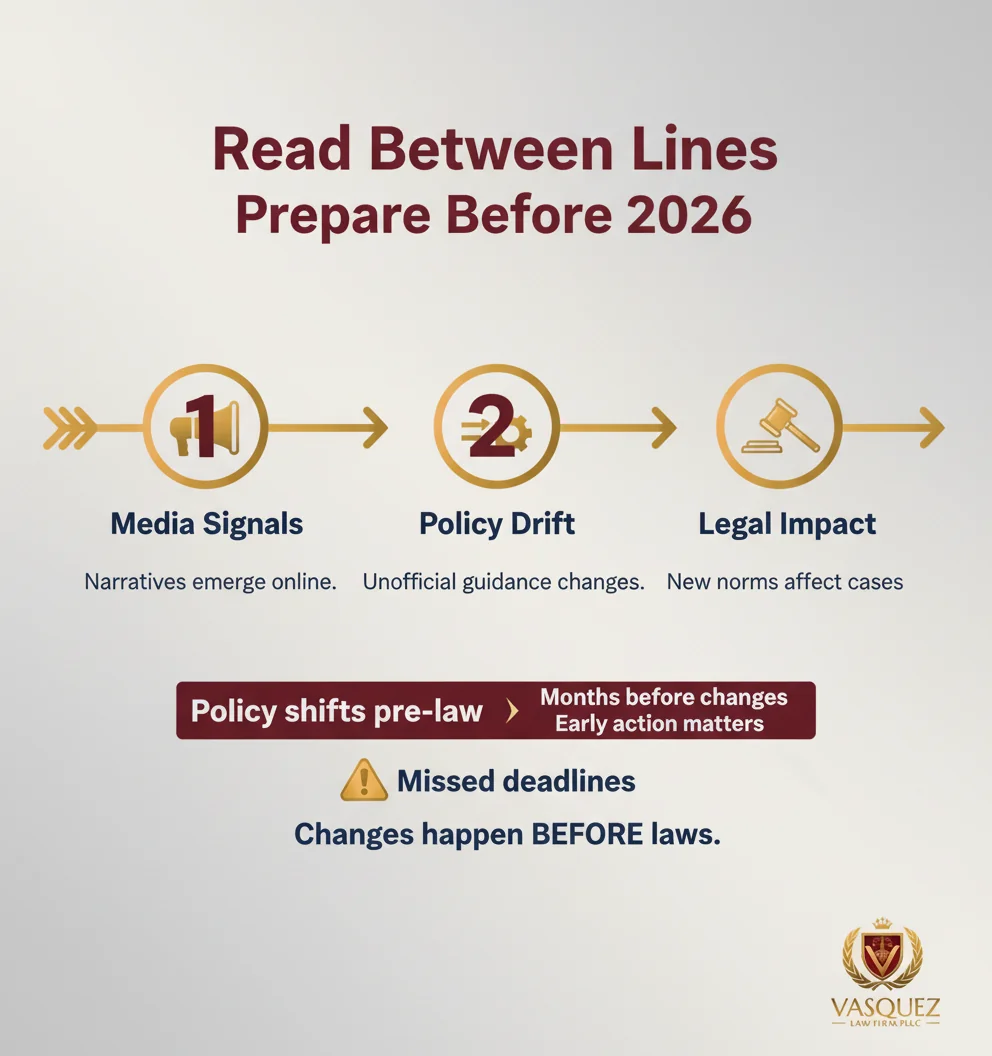
Newsweek’s piece focuses on how immigration policy can change quickly after elections—sometimes through executive actions, agency memos, and rulemaking, not just new laws. It is not a final government announcement, but it is a reminder that immigration can shift with little warning. Here is the Newsweek report on possible 2026 immigration changes.
For many readers, the hidden risk is timing. A case that is “almost ready” in 2025 can become harder in 2026 if evidence requirements increase or if processing slows.
2) Why North Carolina families feel policy changes faster
North Carolina has large immigrant communities and many mixed-status households. A single policy shift can affect:
- Family-based petitions (spouses, parents, children)
- Employment-based visas and green cards for skilled workers
- Humanitarian pathways (asylum, VAWA, U visas, T visas)
- Consular processing for relatives abroad
North Carolina residents also commonly travel for family emergencies. If travel restrictions expand or vetting increases, leaving the U.S. with a pending case may become a serious gamble.
3) The 2026 pressure points to watch (travel, vetting, green cards)
While nobody can guarantee what 2026 will bring, the pressure points that tend to move first are:
- Entry screening and travel bans: who can board a plane, who is admitted, and what extra security checks apply.
- Consular processing delays: more administrative processing (DS-5535-style security vetting), longer waits for interviews.
- Green card adjudication standards: stricter evidence requests (RFEs), more interviews, and closer fraud review.
What to Do in the Next 24-48 Hours
1) Stabilize your immigration “status picture”
Before you react to headlines, confirm what is actually true about your case today. Many problems start when families assume something was filed or approved—and it wasn’t.
2) Avoid fast, expensive travel mistakes
If you have a pending application, a prior removal order, unlawful presence, or any arrest history, international travel can trigger re-entry problems. Even if you travel safely, you may face delays abroad if vetting increases.
3) Prepare to file (or respond) quickly if standards tighten
When immigration policy tightens, agencies often request more proof. Families who have documents ready can respond faster—and reduce the chance of a denial for “failure to respond.”
If this situation applies to you, take these steps NOW:
- Step 1: Pull your receipt numbers, prior decisions, and filing history (USCIS notices, NVC emails, and any court paperwork).
- Step 2: Save a clean timeline: entries/exits, addresses, jobs, marriages, and prior names—dates matter in immigration.
- Step 3: Freeze risky moves: avoid international travel and avoid signing new filings you do not understand.
- Step 4: Consult with a legal expert to understand your rights and options
Warning Signs & Red Flags to Watch For
1) Red flags tied to travel and re-entry
Policy shifts often show up first at airports and consulates. If you are planning travel, watch for warning signs that your risk level may be higher than you think.
2) Red flags inside your USCIS case
USCIS can ask for more proof or schedule interviews. If your case already has weak documentation, tougher screening can expose those gaps.
3) Red flags for immigration scams (they surge during “panic cycles”)
When families are scared about change, scammers push fake “priority filings” and “guaranteed approvals.” A real immigration professional will never promise a result.
These are signs your case may be in jeopardy:
- You have a pending green card or waiver case and are still planning international travel “because it was fine before.”
- You receive an RFE/NOID and the deadline is close (or you cannot find the documents requested).
- A “notario” or consultant tells you new 2026 rules mean you must re-file immediately or pay extra to “lock in” approval.
Seeing these signs? Vasquez Law Firm, PLLC has handled hundreds of denied claims in North Carolina. Attorney Vasquez knows the tactics insurers use. Get a free case evaluation.
Your Rights: What You CAN and CANNOT Do
1) Rights in front of USCIS (applications, interviews, RFEs)
Most immigrants interact with USCIS through petitions and applications. You can submit evidence, correct mistakes, and respond to RFEs—but you must follow deadlines and rules.
2) Rights in immigration court (EOIR) and at check-ins
If you are in removal proceedings, your rights and risks can be very different. The Charlotte Immigration Court hears many cases affecting residents across the region.
3) Rights at airports and ports of entry
CBP controls admission at the border. Even lawful permanent residents and visa holders can face questions and delays, especially if policy tightens.

YOU HAVE THE RIGHT TO:
- Review your filings and evidence before USCIS makes a decision, and respond to RFEs/NOIDs within the deadline.
- Bring an attorney to many immigration interviews and hearings (and have representation in immigration court).
- Request your immigration records through FOIA when you need to understand prior filings, entries, or decisions.
YOU CANNOT:
- Ignore deadlines for RFEs, biometrics, medical exams, or court hearings—missed deadlines can cause denial or removal orders.
- Assume that “pending” means “safe to travel.” Pending cases can still trigger bars, denials, or refusal of admission.
Vasquez Law Firm, PLLC helps North Carolina clients understand and protect their rights every day.
Documents You'll Need (Save This Checklist)
1) Identity and immigration history documents
When rules tighten, the first thing that breaks a case is missing identity or entry proof. Start here.
2) Relationship and hardship documents (family cases and waivers)
Family-based cases and waivers often turn on credible, organized proof—not just statements.
3) Employment and financial documents (work visas, sponsorship, public charge issues)
Employment and financial evidence can become more important if adjudicators request more proof of support and stability.
Gather these documents NOW (before they disappear):
- Passports (current and expired), visas, I-94 records, and entry stamps.
- All USCIS notices: I-797 receipts/approvals/denials, biometrics notices, and interview notices.
- Birth certificates, marriage/divorce records, and name-change documents (with certified translations if needed).
- Evidence of a real relationship: joint lease/mortgage, joint bank statements, insurance, photos over time, messages, and affidavits.
- Tax returns (2–3 years), W-2/1099s, pay stubs, and employment verification letters.
Tip: Keep all documents organized in one folder - it makes the process much easier.
KEY TAKEAWAY:
In fast-changing immigration years, families don’t lose cases only because of the law—they lose them because of missing documents, missed deadlines, or risky travel decisions.
Legal Background and Context
1) Why immigration can change fast without a new law
U.S. immigration is governed by the Immigration and Nationality Act (INA) and related regulations. But major real-world changes can happen through executive actions, agency guidance, enforcement priorities, and how officers apply discretion.
Two examples of how the legal framework matters:
- Adjustment of status (green card inside the U.S.): governed by INA § 245 and related regulations. See USCIS policy and forms at USCIS.gov.
- Inadmissibility and waivers: many denials are tied to INA § 212 grounds (unlawful presence, misrepresentation, certain crimes), which can be triggered by travel and prior history.
2) Consular processing vs. USCIS processing (and why 2026 talk matters)
Many North Carolina families are split between USCIS filings (inside the U.S.) and consular processing (visa interview abroad). If vetting increases, consular processing may see:
- Longer interview wait times
- More “administrative processing” delays
- More requests for financial sponsorship proof
For official consular visa information, see the U.S. Department of State visa portal.
3) Immigration court (EOIR) and enforcement shifts
If enforcement priorities shift, more people may be placed into removal proceedings, or existing cases may move differently. Immigration court is managed by EOIR. Official information is available at justice.gov/eoir.
KEY TAKEAWAY:
A good immigration lawyer does more than fill out forms. They build a record that still works even if the government raises the bar later.
How Vasquez Law Firm, PLLC Helps North Carolina Clients Win These Cases
1) Our approach: build a case that survives scrutiny
Our experienced team, led by Attorney Vasquez, has helped hundreds of North Carolina clients. Attorney Vasquez (JD) has 15 years of experience and is admitted to the North Carolina State Bar and the Florida Bar. We also serve Spanish-speaking families—Se Habla Español.
2) What we do differently when the “rules might change”
When headlines suggest a tougher climate ahead, we focus on case strength and speed without cutting corners. That can include FOIA planning, document audits, and evidence that anticipates stricter interviews.
If you want to learn more about the types of cases we handle, see our Immigration Law services page.
3) North Carolina-specific realities we plan for
Serving North Carolina residents means we plan around practical issues like travel out of Charlotte Douglas International Airport, long-distance family visits, and case movement tied to the Charlotte Immigration Court and regional USCIS field office processing.

- Step 1: We review your case for free and tell you honestly if you have a claim
- Step 2: We handle all paperwork and deadlines so nothing gets missed
- Step 3: We fight insurance tactics - we know their playbook
- Step 4: We maximize your settlement or take it to hearing if needed
Real example: “A North Carolina couple came to us after a sudden consular delay that followed extra security questions. We rebuilt the file with clearer relationship evidence, corrected timeline gaps, and prepared a structured response plan for additional requests. The case moved forward and the spouse was issued the immigrant visa.” - Attorney Vasquez
KEY TAKEAWAY:
If 2026 brings stricter screening, strong cases tend to be the ones that already have clean timelines, consistent evidence, and no “surprise facts” buried in old filings.

Frequently Asked Questions (Specific to This Situation)
If Newsweek is right and travel bans return in 2026, can my spouse still get a visa?
Possibly, but it depends on the exact restriction (countries covered, visa categories affected, exemptions, and waiver processes). A ban can block issuance for certain applicants, create longer security checks, or change where/when interviews happen. If your spouse is abroad, focus now on building a complete case file and tracking consular steps so you can react quickly to new rules.
Should North Carolina applicants switch from consular processing to adjustment of status before 2026?
Sometimes, but not always—and “switching” is not available in every situation. Whether adjustment of status is possible depends on lawful entry, eligibility under INA § 245, and whether any bars apply. Consular processing may still be the only option for many families. The safest approach is to identify your current pathway and risks (unlawful presence, prior orders, misrepresentation concerns) before making a change.
Is it safer to stop traveling on advance parole if policy tightens in 2026?
Advance parole can reduce some risks, but it is not a guaranteed re-entry document, and your personal history matters. If 2026 brings tougher screening, travelers with arrests, prior immigration violations, or inconsistent filings may face greater delays or questioning. Avoid last-minute travel decisions and confirm the effect of travel on your specific pending application.
My USCIS case is pending in North Carolina—will 2026 changes affect it retroactively?
It depends on what changes. Some changes affect future filings only; others affect how officers adjudicate pending cases (for example, stricter interview practices or evidence expectations). Even when the law does not “retroactively” change, the day-to-day scrutiny can. That is why responding to RFEs/NOIDs on time and keeping evidence consistent is critical.
Could “public charge” standards become stricter again in 2026?
Standards and forms can change through regulation and guidance. If a stricter approach returns, financial sponsorship (Affidavit of Support) and household stability documentation may get more attention. Families should keep tax records, employment letters, and proof of lawful income organized so they can respond quickly if asked for updated evidence.
If enforcement increases, what happens to people with cases in the Charlotte Immigration Court?
If enforcement priorities shift, more people may be placed into proceedings, and court dockets may become more crowded. People with existing court dates should not assume continuances will be easy to get. Missing a hearing can lead to an in absentia removal order, which can be very hard to reopen later.
Why hire an immigration lawyer now instead of waiting for 2026 to happen?
Because many of the most effective steps are “quiet” steps that take time: cleaning up timelines, fixing inconsistencies, getting certified records, preparing waiver evidence, and making safe travel and filing decisions. When policy shifts, the families who are ready often have more options than families who are scrambling.
Don't Navigate This Alone
If you're dealing with potential 2026 immigration policy changes affecting your visa, green card, or travel plans, Vasquez Law Firm, PLLC can help. With 15+ years serving North Carolina, we know what works.
Free consultation. Bilingual team. No fees unless we win.
Call Now: 1-844-967-3536
Se Habla Español - Hablamos Su Idioma
Free Legal Consultation
Discuss your case with our experienced attorneys. We're available 24/7.
Vasquez Law Firm
Legal Team
Our experienced attorneys at Vasquez Law Firm have been serving clients in North Carolina and Florida for over 20 years. We specialize in immigration, personal injury, criminal defense, workers compensation, and family law.